Hereditary Leiomyomatosis and Renal Cell Cancer
Our community
Patient Stories
Real experiences from people and families living with HLRCC. Share a special tribute to someone you love or let others know about your journey.
Real Patients
Stories shared by patients and families on hlrcc.org and by partner organizations.
1–3 of 9
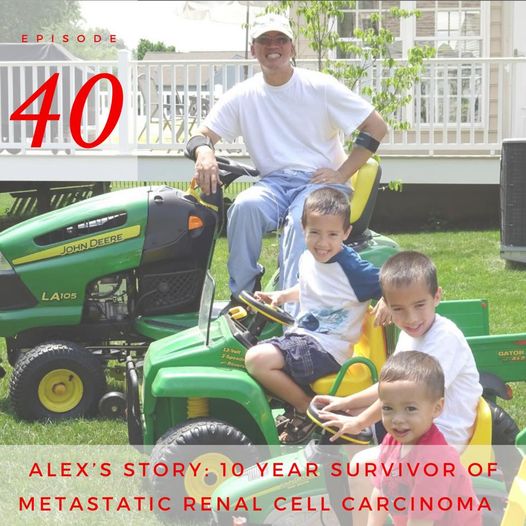
10 year survivor of metastatic kidney cancer (audio)
“HLRCC is already a rare disease… only about 10, 15% of people who have the genetic defect move on to get kidney cancer. But once you get the kidney cancer, it’s supposed to be a pretty aggressive type of kidney cancer.”
hlrcc.org

Wrestler.Outdoorsman.HLRCC advocate.
Dylan Wisman: Former Mizzou wrestler
Diagnosed with kidney cancer at 27, a cancer linked to the genetic condition HLRCC, Dylan founded The Outdoorsman Fellowship to raise awareness of kidney cancer, HLRCC and other rare cancers.
KOMU 8, Mar 1, 2025
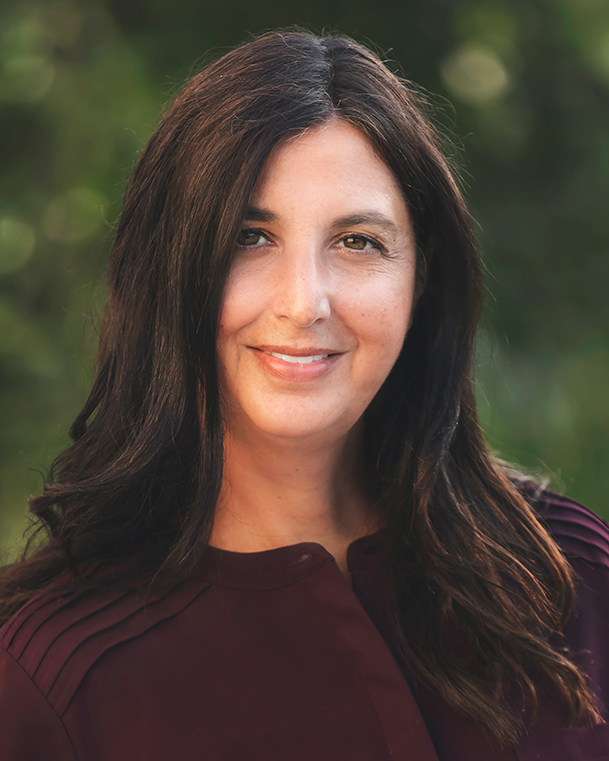
Dr. Cheryl Bahar
“My 10-year-old daughter, Jadyn… underwent surgery on July 3rd, 2015. The tumor was highly cystic and contained solid matter. She was diagnosed with Renal Cell Carcinoma…”
hlrcc.org
Laura Esfeller
“I was diagnosed with stage IV type 2 papillary renal cell carcinoma a few days after I turned 29 years old. It was a shock, to say the least, and like most cancer patients, I asked myself and my doctors, ‘Why? Why me?’”
kccure.org
Power of Persistence
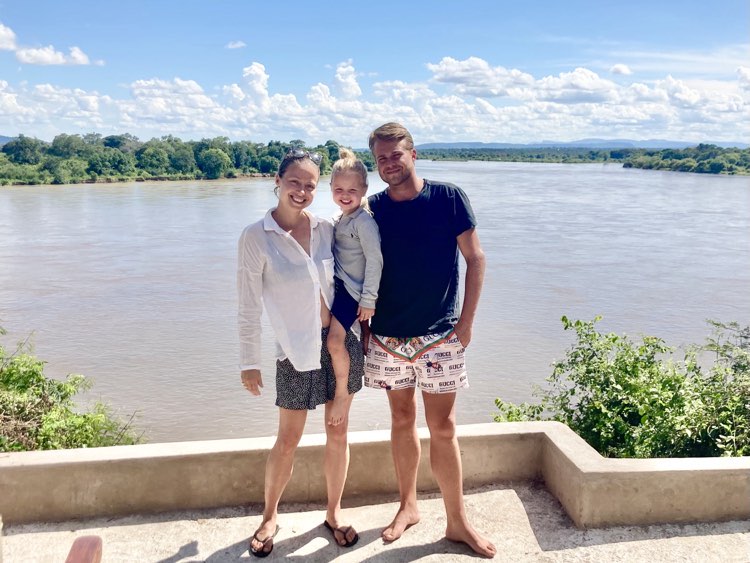
“My then 23-year-old nephew was experiencing pains in the side of his abdomen… I still remember standing on the beach when the surgeons called and said it was kidney cancer, and that my nephew was scheduled for a radical nephrectomy surgery 2 days later. We took a photo of his body, which we knew would soon have a scar for life.”
hlrcc.org
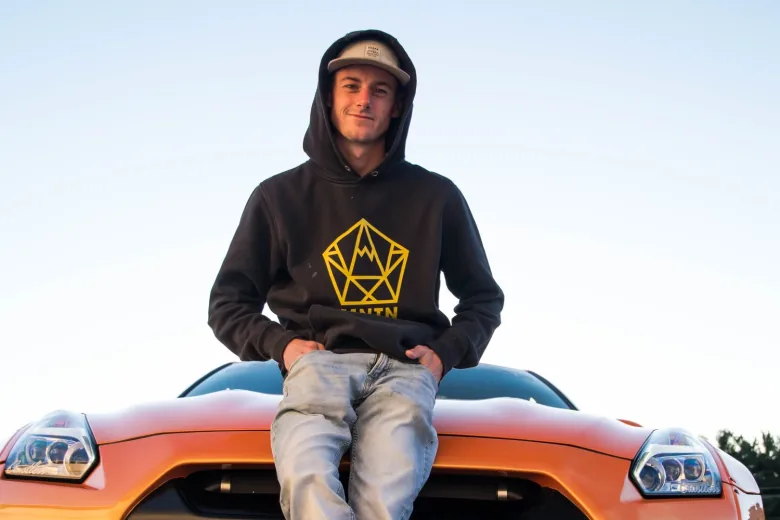
Andrew Lee
“I was diagnosed at the age of 19 with a rare kidney cancer known as HLRCC, which currently has no known cure… My GTR has proven to be the closest thing I have to a cure for my cancer. Driving the GTR has become a tremendous outlet for me… I established Driven to Cure, a 501(c)(3) nonprofit organization, to help others and raise awareness for rare kidney cancers.”
driventocure.org

A Boxing Champ’s Biggest Fight
“While sparing in the gym as a professional boxer, I felt a pain in my left lower abdomen. Assuming it was from boxing, I went to bed, but at 3 AM, the pain intensified, and I could barely breathe. My partner rushed me to the ER, where they suspected a kidney stone… The CT scan revealed an 8.8 cm mass in the upper-middle left kidney consistent with kidney cancer.”
hlrcc.org

My Battle with Rare Kidney Cancer
“My kidney cancer diagnosis came at the very young age of 27… thinking back it felt unreal that I was in this situation, life and time seemed to stand still…”
hlrcc.org
Advances in Care Help Save Young HLRCC Patient
“This is definitely a knowledge is power situation,” said Ball. He tells HLRCC patients, “It can be taxing logistically to screen every year. It’s also anxiety-provoking. But the tradeoff is, if something does come up and we catch it early, it could be a curable event.”
NIH Record, Aug 6, 2021
More stories from our community
Personal stories first published by other organizations. Each card opens a short summary on our site, with a link to the full story.
-
Kidney Cancer Association
Michele Tate
Michele Tate describes years of fibroid surgeries before she learned she had HLRCC, a diagnosis that came only after one of her kidneys was removed. She explains why she believes early fibroids should prompt doctors to think about HLRCC. She urges women, and Black women in particular, to keep asking questions and to bring someone along to important appointments.
Personal story; see our Handbook for current medical info
-
The Patient Story
Lynn T.
Lynn T. and her husband were hoping to have children when an MRI ordered for fibroid care set off tests that unexpectedly found kidney cancer. She talks about freezing embryos before treatment, how her husband helped uncover the HLRCC diagnosis and a clinical trial, and how she went back to teaching while in treatment.
Personal story; see our Handbook for current medical info
-
The Patient Story
Laura E.
Laura E. lived with tiredness and high blood pressure for a long time before an emergency room visit led to a kidney cancer diagnosis and, with it, HLRCC. She describes surgery, deciding to join a clinical trial, tough side effects, and life after her scans stopped showing disease. She now also works as a patient advocate.
Personal story; see our Handbook for current medical info
-
Kidney Cancer Association
Dylan Wisman
Dylan Wisman, a former college wrestler, first noticed warning signs on a hunting trip, and genetic testing after his kidney cancer diagnosis showed HLRCC. He writes about how time outdoors carried him through treatment and why he started a nonprofit that encourages genetic testing. His advice: find joy, speak up for yourself, and let others help.
Personal story; see our Handbook for current medical info
-
Kidney Cancer Association
Todd Allebach
Nicole Albor tells the story of her husband, Todd Allebach, whose back pain was first blamed on a disc problem before scans found cancer in his spine and, later, a small tumor on his kidney. Genetic counseling then led to an HLRCC diagnosis. Nicole writes about caring for Todd and their young children, and about pushing for more kidney cancer research.
Personal story; see our Handbook for current medical info
-
Best Life After Cancer podcast (Spotify)
Alex Dinh
In this podcast interview, Alex Dinh explains how a routine liver ultrasound led to a kidney cancer diagnosis, and how his uncle’s history of kidney cancer prompted genetic testing that showed HLRCC. He talks about repeated surgeries, clinical trials and later treatment, and the part that faith and family played along the way.
Personal story; see our Handbook for current medical info
-
Rare Disease Day (EURORDIS)
Clare
Clare, who lives in the UK, went through several rounds of fibroid treatment and noticed skin bumps that kept coming back. Her own online research led her to HLRCC, and her GP referred her to a geneticist who confirmed it. She now has regular kidney checks and says she lives her life much as before.
Personal story; see our Handbook for current medical info
Stories reflect each person’s own experience and are not medical advice. Talk with your care team about your situation.